Forming Wholehearted Disciples Through the Gathered Life of the Church
A framework for shaping church gatherings, teams, and habits that help people delight in God—both when gathered and throughout the week.

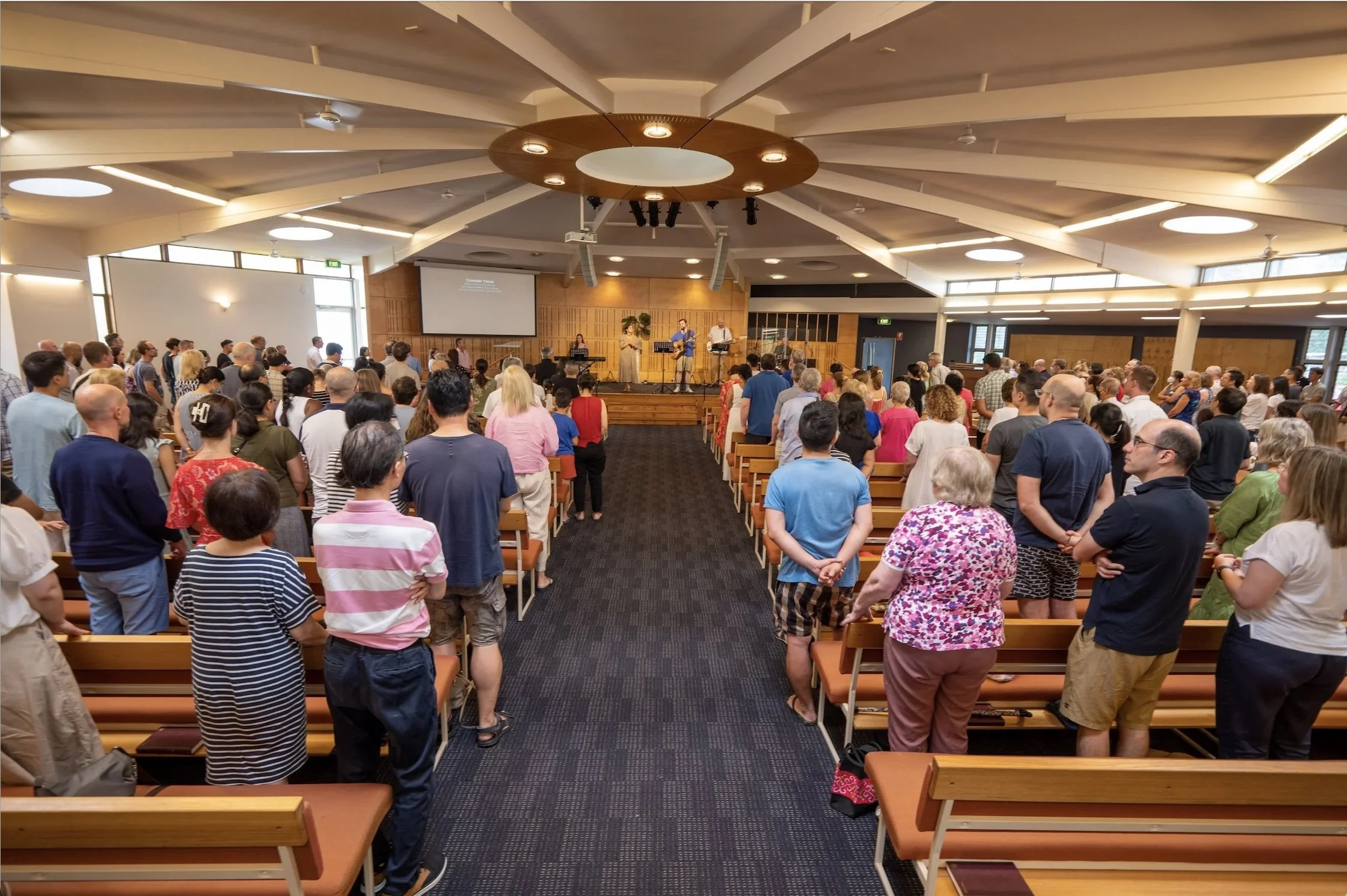
For me, Sundays aren’t just something to organise or get through each week—they’re a really significant space where people are shaped over time. As we gather, we’re helping people fix their attention on God, hear his word, and respond to him together.
I’ve often seen how the different parts of a service—music, liturgy, preaching, production—can drift into their own lanes. My instinct is to bring those pieces together under a clear, shared vision, so that everything is working in the same direction: helping people hear the gospel, respond to it, and delight in God.
That’s where music ministry fits for me. It’s not a standalone piece—it’s part of the whole. It plays a key role in shaping how people engage, what they love, and how they participate in the life of the church.
In a Magnification Director role, I’d want to help shape gatherings where God is clearly in view and people are drawn in—not just attending, but actually engaging. Over time, that’s what forms people into mature, whole-hearted disciples who are using their gifts for the good of others.
So the goal isn’t just to make Sundays run well, but to see people increasingly captured by who God is, and changed as they keep turning up, week by week.
My (assumed) key prioties in Starting
-
We begin by asking: What is God doing when His people gather?
Our gatherings are shaped by Scripture, with the aim of forming mature disciples—not just facilitating participation.
This is where I’d always want to start. Before getting into planning or structure, I think it’s really important to be clear on what we believe is actually happening when we gather as a church. For me, Sundays aren’t just something we run—they’re a space where God is at work by his Spirit, through his Word, shaping his people over time. So the focus isn’t first on creativity or preference, but on being faithful to what God is already doing—drawing people to himself and forming them as disciples. Getting this clear helps everything else stay grounded. -
From there, it’s about how we shape the time together. I tend to think in terms of flow—how all the different elements fit and work together. Rather than each part doing its own thing, the aim is to have a gathering where Scripture, music, prayer, and preaching are all pulling in the same direction. So people aren’t just moving through a service, but are being led somewhere—helped to hear the gospel clearly and respond to it. It doesn’t need to feel complicated, but it should feel intentional.
Every element—music, prayer, Scripture, preaching, and response—works together.I seek to:
Create clarity and intentional flow
Support the preaching of the Word
Build in meaningful moments of response
-
None of this really works without healthy teams. So a big part of the role, for me, is investing in people—not just filling spots on a roster, but raising leaders. I want people to understand why they’re serving, not just what they’re doing. And I want teams to feel like places where people are growing—in their character, their skills, and their faith. Over time, that builds a culture where people take ownership, look out for each other, and serve in a way that’s both thoughtful and sustainable.
Healthy ministry is built on people, not programs.My focus is to:
Develop leaders, not just fill roles
Create clear pathways for growth
Build teams marked by humility, skill, and joy
-
And then, I think it’s important to keep Sundays in their place. They really matter, but they’re not the whole picture. Ideally, what happens when we gather connects into how people are following Jesus during the week. So part of the role is helping bridge that gap—giving people simple ways to keep responding to God beyond Sunday. The hope is that over time, people aren’t just engaging in a moment, but are growing in a steady, everyday life of worship and delight in God.
Our aim is not only gathered engagement, but ongoing delight in God.
This involves:
Encouraging spiritual habits during the week
Reinforcing themes beyond Sunday
Helping people connect worship with everyday life
I think these have become my top four priorities simply because, over time, they’re the things that seem to matter most—not just for how Sundays run, but for what actually shapes people.
Theology of Gathering sits first because it sets the direction. If we’re not clear on what God is doing when we gather, it’s very easy to slip into just running a meeting or going with whatever seems to work. This keeps things grounded.
Architecture of the Gathering follows pretty naturally, because people experience what we plan. You can have all the right pieces there, but if they don’t connect, it can feel a bit flat or disjointed. When it flows well, it really helps people engage and respond.
Culture of Teams is there because this just doesn’t work without people. I’ve learnt that if you focus on building people—raising leaders, not just filling roles—it changes everything. It becomes healthier and a lot more sustainable.
Extending Beyond Sunday is about keeping it all in perspective. Sundays really matter, but they’re not the whole thing. The aim is that what happens when we gather actually carries into the rest of life, not just stays in that moment.
So I think these have come from experience more than anything—just noticing what tends to drift, what tends to last, and what actually helps people grow.